
The Allure of Chance and Reward
The psychology behind casino gaming is deeply rooted in the human attraction to chance and reward. When players engage with games of chance, they are often motivated by the potential for substantial financial gain. This allure taps into basic human instincts, igniting feelings of excitement and hope, as many look for the best online casino canada options available. The possibility of hitting a jackpot creates an adrenaline rush that can be highly addictive, often overshadowing the risks involved.
Moreover, the anticipation of winning can lead to a phenomenon known as the “near-miss effect.” This cognitive bias occurs when a player experiences a close call, which can reinforce the desire to continue playing. Even if they do not win, players often return for the thrill, believing that their luck will eventually change. This psychological mechanism is reinforced by the casino environment, which is designed to enhance feelings of excitement and anticipation.
The Role of Social Interaction
In addition to the thrill of winning, social interaction plays a significant role in the appeal of casino gaming. Many players enjoy the communal atmosphere of casinos, where they can engage with others, share experiences, and celebrate victories together. This social aspect can create a sense of belonging, which is a powerful motivator for continued participation in gaming activities.
The camaraderie found in casinos can also encourage players to return. Shared experiences, whether through friendly competition at gaming tables or shared stories at the bar, foster connections that keep players coming back for more. This social bonding enhances the overall gaming experience, transforming it into a communal activity rather than a solitary one.
The Impact of Environment and Design
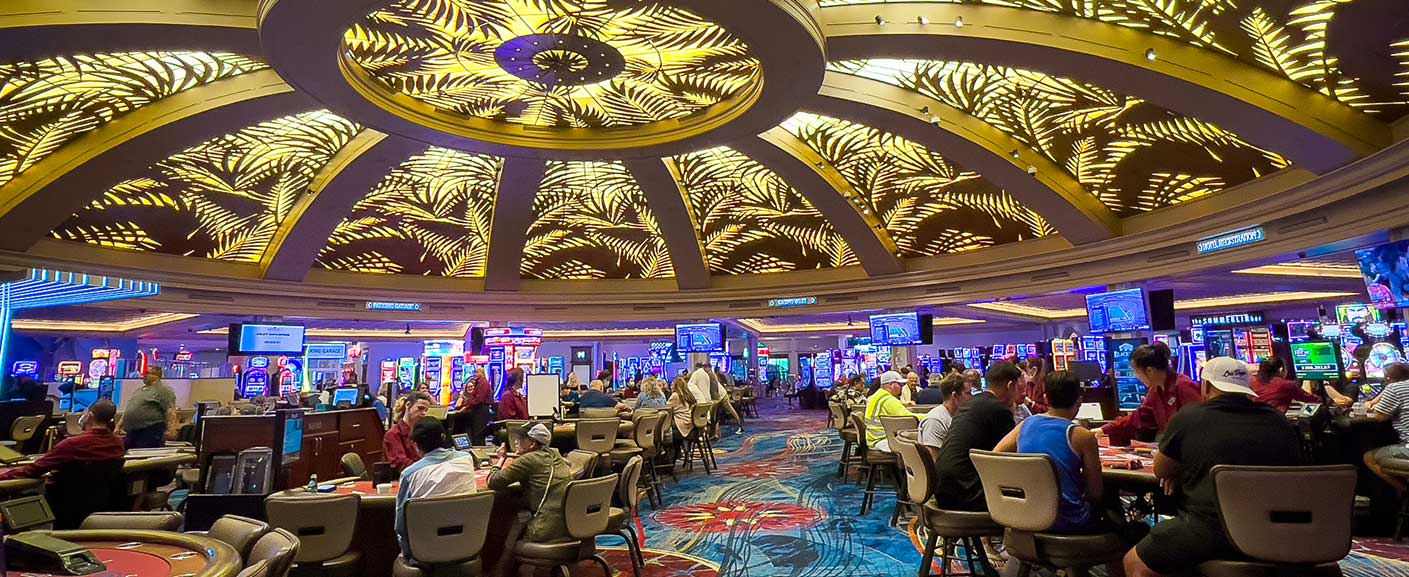
The design and atmosphere of a casino are meticulously crafted to keep players engaged. From the bright lights and vibrant colors to the sounds of cheers and ringing slot machines, every element is strategically chosen to stimulate the senses. This sensory overload can create a euphoric feeling that makes it difficult for players to leave.
Furthermore, casinos often employ techniques such as removing clocks and windows to make it harder for players to gauge the passage of time. This manipulation of the environment can lead to extended gaming sessions, as players lose track of time and become immersed in their surroundings. The combination of sensory stimulation and time disorientation is a significant factor in players’ return to casinos.
The Psychological Need for Escapism
For many individuals, casino gaming offers a form of escapism from the stresses of daily life. The thrill of gambling provides a temporary distraction from personal issues, work-related stress, or everyday routines. This psychological need for escapism can be particularly strong, leading players to seek out casinos as a safe haven where they can forget their problems, if only for a short time.
In this context, gambling can be seen as a coping mechanism, where the thrill of gaming allows individuals to experience a different reality, even if just for a few hours. This desire to escape can contribute to the repetitive behavior that keeps players returning to casinos, as they seek to recreate the feelings of excitement and freedom associated with gaming.

Support and Resources for Responsible Gaming
For anyone who finds themselves affected by the psychological factors discussed, it is crucial to seek support and resources. Understanding one’s relationship with gambling and recognizing the signs of addiction is essential in fostering a healthier approach to gaming. Various organizations provide valuable information and support for individuals and families affected by problem gambling.
Awareness of the psychological underpinnings of casino gaming can empower players to make informed choices. By acknowledging the complex emotions and motivations behind their gaming habits, individuals can better navigate their experiences in the gambling world, promoting a balanced and responsible engagement with casino activities.