Understanding the psychological triggers that influence betting behavior in casinos
The allure of risk and reward
The nature of betting in casinos often revolves around the psychological allure of risk and reward. Players are naturally drawn to the excitement of potentially winning large sums of money, which can lead to a state of heightened arousal. This thrill stimulates the brain’s reward system, releasing neurotransmitters such as dopamine. For those interested, exploring online casino australia can amplify this thrill even more. The anticipation of a win can create a euphoric feeling, making players more likely to engage in riskier bets.
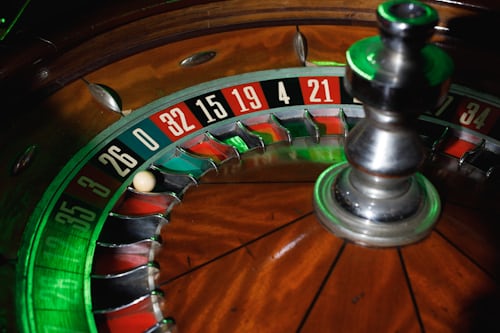
Moreover, the prospect of significant rewards often overshadows the inherent risks involved in gambling. Many individuals may underestimate the odds against them, leading to impulsive decisions. Casinos exploit this psychology by designing games and environments that enhance the thrill and make the experience more immersive, often inducing a state of flow where players lose track of time and money.
Emotional triggers and the gambling experience
Emotions play a crucial role in shaping betting behavior. For many players, gambling serves as an escape from everyday stressors, creating a temporary emotional high. This emotional relief can reinforce the behavior, making them more likely to return to the casino. Engaging in betting can also evoke feelings of joy, excitement, and, conversely, disappointment, contributing to a cycle of emotional highs and lows.
Furthermore, the social aspect of casinos enhances emotional triggers. Players often engage with others, sharing experiences and celebrating wins, which can amplify positive emotions. This social reinforcement can lead to increased betting, as the collective thrill can influence individual behaviors. The social environment in casinos is intentionally designed to encourage interaction and shared experiences, further enhancing the emotional appeal of gambling.
The impact of cognitive biases
Cognitive biases significantly influence gambling behavior, often leading players to make irrational decisions. One common bias is the “gambler’s fallacy,” where individuals believe that past outcomes affect future probabilities. For instance, a player may think that after several losses, a win is due, encouraging them to continue betting despite the odds. This flawed reasoning can lead to increased gambling and a neglect of rational decision-making.
Another notable cognitive bias is the “illusion of control,” where players believe they can influence the outcome of a game through skill or strategies, even in purely chance-based games. This belief can encourage continued betting, as players become overconfident in their abilities. Casinos often take advantage of these cognitive biases by promoting games that appear skill-based, further drawing players into the gambling experience.
The role of environmental factors
The physical and sensory elements of a casino environment play a pivotal role in shaping betting behavior. The use of bright lights, engaging sounds, and the layout of games are specifically designed to create an inviting atmosphere. This sensory overload can create a euphoric state, making it easier for players to lose track of their spending and time, resulting in prolonged gambling sessions.
Additionally, the strategic placement of high-stakes games and low-stakes games can lead to a progression in betting behavior. As players win smaller amounts, they may be enticed to try higher stakes, believing they can replicate their success. This gradual escalation can result in significant financial risks, as the environment subtly encourages players to increase their wagers without fully realizing the consequences.

Exploring resources and support for gamblers
Understanding the psychological triggers that influence betting behavior is essential for both players and those looking to help them. Recognizing these triggers can empower individuals to make informed decisions about their gambling habits. Resources are available that provide education on responsible gambling practices, emphasizing the importance of self-awareness and the ability to recognize when behavior becomes problematic.
Websites dedicated to gambling support offer valuable information on recognizing signs of addiction and accessing professional help. By fostering a greater understanding of the psychological aspects of gambling, individuals can take proactive steps to ensure their experiences remain enjoyable rather than detrimental. Awareness is the first step toward a healthier relationship with gambling, promoting safer and more responsible betting behaviors.
